
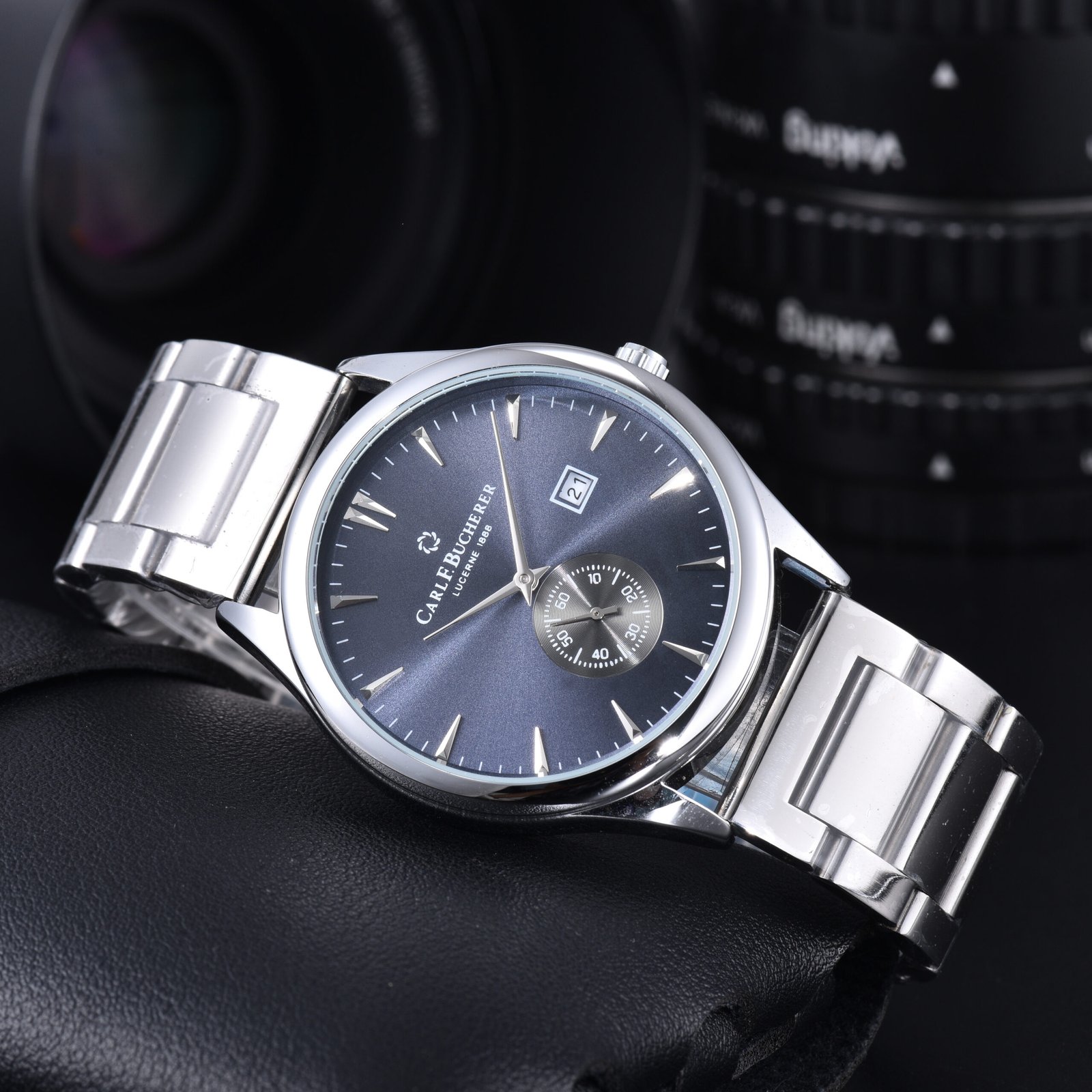
Watch Care Guide: How to Clean, Store and Maintain Your Watch (2026)
A good watch can last a lifetime, and sometimes several. Whether it was a gift, a reward to yourself or a family heirloom, the way you look after it determines how long it keeps running and how good it looks. The good news is that proper watch care is simple. A few minutes each week and a little awareness of common risks will keep your timepiece beautiful for decades.
Quick answer: Good watch care means wiping your watch with a soft microfibre cloth after wearing, cleaning metal bracelets with lukewarm soapy water and a soft brush (only if the watch is water resistant), keeping it away from magnets, heat and chemicals, storing it in a padded box, winding mechanical watches regularly and servicing automatic watches every three to five years.

Key Takeaways
- Good watch care starts with daily wiping using a soft microfibre cloth.
- Keep watches away from hot water, chemicals, perfume and magnets.
- Store each watch in a padded box away from sunlight and humidity.
- Service mechanical watches every 3–5 years and replace quartz batteries promptly.
- Never set the date on a mechanical watch between 9 PM and 3 AM.
Why Watch Care Matters
A watch is a precision instrument. A mechanical movement can contain more than 130 tiny parts, many of them thinner than a human hair. Even a quartz watch relies on seals, gaskets and electronics that can be damaged by water, heat or impacts.
Regular watch care delivers three big benefits:
- Longevity: clean, well-lubricated movements wear far more slowly.
- Accuracy: a healthy movement keeps better time.
- Appearance and value: a scratch-free case and fresh strap keep your watch looking new and protect its resale value.
Daily Watch Care Habits
The best watch care routine is built from small daily habits. They take seconds but make a huge difference over the years.
1. Put your watch on last
Apply perfume, aftershave, moisturiser, sunscreen and hairspray before you put on your watch. These products contain alcohols and oils that can stain leather straps, dull polished surfaces and degrade gaskets.
2. Take it off before heavy work
Remove your watch before gardening, DIY, moving furniture or high-impact sports. Hard knocks can damage the crystal, dent the case or even shift parts inside the movement.
3. Wipe it down after wearing
At the end of the day, wipe the case, crystal and bracelet with a soft, dry microfibre cloth. This removes sweat, skin oils and dust before they build up.
4. Handle the crown carefully
Always set the time and wind the watch with the watch off your wrist. This avoids putting sideways pressure on the crown stem, which can bend or break it.
5. Push in or screw down the crown
Make sure the crown is fully pushed in or screwed down before washing your hands, showering or swimming. An open crown is the most common way water enters a watch.
How to Clean Your Watch Step by Step
Deep cleaning every few weeks keeps your watch sparkling. Always check the water resistance first. Our watch water resistance guide explains what each rating means.
What you need
- Soft microfibre cloth.
- Soft-bristled toothbrush (a baby toothbrush is perfect).
- Bowl of lukewarm water.
- A drop of mild, unscented dish soap.
- Cotton buds for tight spaces.
- Clean, dry towel.
Cleaning a water-resistant watch with a metal bracelet
- Check that the crown is pushed in or screwed down completely.
- Dip the soft toothbrush into the soapy water.
- Gently brush the case, bezel and bracelet, paying attention to the gaps between links where dirt collects.
- Rinse quickly under lukewarm running water. Never use hot water.
- Pat dry with a towel, then polish with the microfibre cloth.
- Leave it on a towel for a few minutes to air dry completely.
Cleaning a watch with a leather strap
Leather and water do not mix. Never submerge a leather strap. Instead, remove the strap if possible and clean the case separately. Wipe the leather with a barely damp cloth, then let it air dry away from direct heat. A leather conditioner made for watch straps can be applied every few months.
Cleaning a non-water-resistant watch
If your watch has little or no water resistance, avoid water completely. Use only a dry microfibre cloth and a dry soft brush.
Cleaning rubber and fabric straps
Rubber straps can be washed with soapy water and rinsed. Fabric or NATO straps can be removed and hand-washed in mild soapy water, then dried flat. Learn more about each material in our watch strap guide.
What Not to Use When Cleaning
Some cleaning products cause serious damage. Never use:
- Household cleaners, bleach or ammonia.
- Alcohol or acetone on gaskets, painted bezels or leather.
- Abrasive pads or toothpaste on polished surfaces or crystals.
- Ultrasonic cleaners on a complete watch (only on a removed metal bracelet).
- Hot water, steam or a hairdryer.
How to Store Your Watch Properly
Storage is an often-overlooked part of watch care. A watch thrown into a drawer can be scratched by keys, coins and other jewellery.
- Use a watch box: padded compartments keep each watch separate and protected. Explore our watch box options.
- Keep it out of sunlight: UV rays can fade dials and straps.
- Avoid humidity: do not store watches in bathrooms. Add a silica gel pack to your watch box in humid climates.
- Stay away from magnets: keep watches away from speakers, tablets, laptop lids and magnetic phone cases.
- Store in a stable temperature: extreme heat or cold affects lubricants and batteries.
For long-term storage of quartz watches, some owners remove the battery to prevent leakage, but this is best done by a watchmaker.
Watch Care for Automatic and Mechanical Watches
Mechanical watches need a little extra attention because they rely on springs, gears and oils. If you are unsure which movement you own, see our automatic vs quartz watch guide.
Keep it wound
An automatic watch winds itself while you wear it. If it stops, give the crown 30–40 gentle turns before wearing it. A manual-wind watch should be wound at roughly the same time every day until you feel resistance. Never force it.
Should you use a watch winder?
A watch winder rotates an automatic watch to keep it running when you are not wearing it. It is convenient if you own several automatics, especially those with calendars or moonphases that are tedious to reset. It is not essential for the health of the movement. If you use one, set it to the turns per day and direction recommended by the movement’s maker.
Protect it from magnetism
Magnetism is one of the most common causes of a mechanical watch suddenly running very fast. If your watch gains several minutes a day, it may be magnetised. A watchmaker can demagnetise it in seconds with a simple tool.
Set the date carefully
On many mechanical movements, the date wheel is engaged between about 9 PM and 3 AM. Changing the date manually during these hours can damage the mechanism. Move the hands to 6 o’clock first, then set the date.
Watch Care for Quartz Watches
Quartz watches are low maintenance, but they still need care:
- Replace the battery promptly: many quartz watches signal a low battery by moving the seconds hand in four-second jumps. A dead battery left inside can leak and corrode the movement.
- Have seals checked: when a battery is changed, the case is opened, so ask for the gaskets to be inspected and water resistance tested.
- Use a professional: cheap kiosk battery changes can scratch the caseback or break the seal.
How Often Should You Service Your Watch?
Servicing is the most important long-term watch care step. During a full service, a watchmaker disassembles the movement, cleans every part, replaces worn components and gaskets, lubricates the pivots, regulates the timing and pressure-tests the case.
| Watch type | Recommended service interval |
|---|---|
| Automatic or manual mechanical | Every 3–5 years |
| Mechanical chronograph | Every 3–5 years, sometimes sooner |
| Quartz | Battery every 2–3 years, full service every 5–10 years |
| Water-resistance check | Every year if you swim or dive |
Some modern movements are designed for longer intervals, so always follow your watch’s specific recommendations.
Signs your watch needs a service now
- It gains or loses much more time than usual.
- It stops unexpectedly despite being wound.
- The crown feels gritty or loose.
- You see condensation or fog under the crystal.
- The power reserve has become noticeably shorter.
- You hear rattling or grinding noises.
If you see moisture inside the crystal, take the watch to a watchmaker immediately. Water causes rust very quickly.
Protecting the Crystal and Case
Scratches are the most visible sign of wear. A sapphire crystal resists almost all everyday scratches, while mineral and acrylic crystals scratch more easily. Read our guide to sapphire crystal vs mineral glass to understand the differences.
To protect the case:
- Be careful around door frames, desks and metal railings.
- Avoid wearing your watch next to heavy metal bracelets.
- Light scratches on brushed steel can be refreshed by a watchmaker; avoid DIY polishing, which can soften sharp edges.
- Acrylic crystals can be polished at home with a special polishing paste.
Watch Care While Travelling
Travel brings extra risks. Pack your watch in a travel case or roll, keep it in your hand luggage rather than checked bags, and avoid leaving it in hot cars or on sunny windowsills. On the beach, rinse off salt water and sand with fresh water afterwards if the watch is water resistant. If you cross time zones often, a GMT watch saves you from constant resetting; see our GMT watch guide.
Watch Care by Case Material
Different materials need slightly different watch care. Knowing what your case is made of helps you clean it safely and keep it looking its best.
Stainless steel
Steel is tough and forgiving. Clean it with mild soapy water if the watch is water resistant, and dry it well. Light scuffs on brushed steel are normal and can be refreshed during a service.
Gold
Gold is softer than steel and scratches more easily. Clean it gently with a microfibre cloth and avoid contact with harder metals, stone surfaces and rough jewellery. Never use jewellery dips on a watch.
Titanium
Titanium is light and corrosion resistant but can scratch more visibly than steel. Some titanium watches have a hardened surface coating. Avoid abrasive cloths and let a professional handle any refinishing.
Ceramic
Ceramic resists scratches extremely well and never fades, but it can chip or crack if dropped onto a hard floor. Clean it with a soft damp cloth and treat it gently around hard surfaces.
Bronze
Bronze develops a natural patina over time. Many owners love this aged look. If you prefer a fresh shine, a little lemon juice or a dedicated bronze cleaner can restore the colour, but keep it away from the crystal, dial and gaskets.
Your Watch Care Checklist: Daily, Monthly and Yearly
| Frequency | Watch care task |
|---|---|
| Daily | Wipe with a microfibre cloth, check the crown is pushed in |
| Weekly | Inspect the strap and clasp for wear |
| Monthly | Deep clean the bracelet (if water resistant), condition leather |
| Every 2–3 years | Replace the quartz battery and check seals |
| Every 3–5 years | Full service for mechanical watches |
| Yearly (if you swim) | Water-resistance pressure test |
Print this checklist or save it on your phone. Consistent watch care, even in small steps, is what keeps a timepiece running beautifully for decades.
Caring for Vintage Watches
Vintage watches need extra gentleness. Their gaskets are often old, so treat them as not water resistant unless a watchmaker has recently tested them. Avoid water, sweat-heavy activities and strong sunlight, which can damage aged dials and lume. Wind manual vintage pieces gently and stop at the first sign of resistance.
Find a watchmaker who specialises in older movements. Original parts can be rare, and a careful specialist will preserve the character and value of the watch instead of replacing everything with modern parts.
How Much Does Professional Watch Care Cost?
Costs vary widely by country, brand and movement complexity. A battery change is usually the cheapest service, while a full overhaul of a mechanical chronograph is among the most expensive. Independent watchmakers are often more affordable than official brand service centres, though brand centres may offer longer warranties.
Think of servicing as part of owning a fine watch. Regular watch care costs far less than repairing a movement that has run dry for ten years or been damaged by water.
The 10 Biggest Watch Care Mistakes
- Wearing a watch in a hot shower, sauna or hot tub.
- Pressing chronograph pushers underwater.
- Forgetting to push in or screw down the crown.
- Setting the date between 9 PM and 3 AM on a mechanical watch.
- Storing watches loose in a drawer.
- Leaving a dead battery inside a quartz watch.
- Placing watches next to magnets and speakers.
- Using harsh cleaning chemicals.
- Skipping services for many years.
- Winding the watch while it is on your wrist.
Frequently Asked Questions
How do I clean my watch at home?
Wipe it with a microfibre cloth. If it is water resistant and has a metal bracelet, gently brush it with lukewarm water and mild soap, rinse quickly and dry thoroughly. Never submerge a leather strap.
Can I wear my watch in the shower?
It is best not to. Even water-resistant watches can be damaged by hot water, steam, soap and sudden temperature changes, which weaken the gaskets over time.
How often should I service my watch?
Mechanical and automatic watches should usually be serviced every three to five years. Quartz watches need a battery every two to three years and a full service less often.
Is a watch winder necessary?
No. A watch winder is a convenience, not a requirement. It keeps automatic watches running between wears, which is useful for watches with complicated calendars.
Why is my watch running fast?
A mechanical watch that suddenly runs fast may be magnetised. A watchmaker can demagnetise it quickly. If it still runs fast, it may need regulation or a service.
How should I store my watches?
Store them in a padded watch box away from sunlight, humidity and magnets. Keep each watch in its own compartment to avoid scratches.
Does watch care differ for gold and steel watches?
Yes, slightly. Gold is softer and scratches more easily, so it needs gentler handling and should be kept away from harder metals. Steel is more forgiving and can be washed with mild soapy water if the watch is water resistant.
Can I polish scratches out of my watch myself?
Light scratches on an acrylic crystal can be polished at home with a special paste. For steel, gold or sapphire, leave refinishing to a professional, because DIY polishing can round off sharp edges and reduce value.
Conclusion
Think of watch care as a small ritual rather than a chore. A quick wipe at the end of the day, a careful hand on the crown and a service every few years are all it takes.
Watch care is not complicated. Wipe your watch regularly, keep it away from heat, chemicals and magnets, store it properly and have it serviced on schedule. These simple habits protect your watch’s accuracy, appearance and value, and help it last for generations.
Looking for a beautiful new addition to care for? Explore our luxury watches collection, and read our luxury watch buying guide to choose your next piece wisely.